
Arakan News Agency
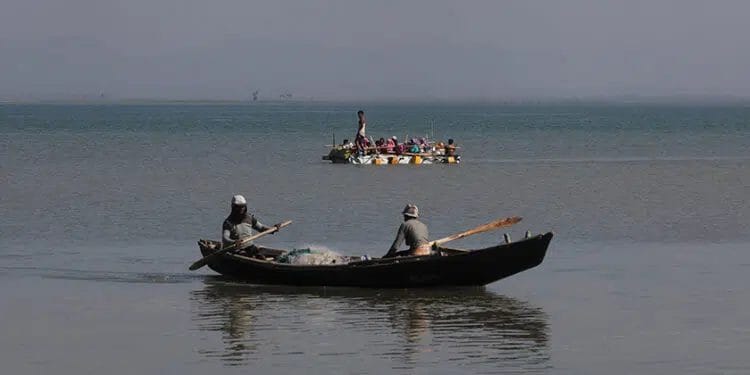
The Rohingya, a long-persecuted ethnic minority, have been forced to live as virtual prisoners in temporary huts, scraping by on donated bags of rice and chickpeas and whatever fish they can pull from the ocean. The situation is so dire that some 86,000 people have tried to flee by boat, and Human Rights Watch has accused the government of a campaign of “ethnic cleansing.” Yanghee Lee, the United Nations special rapporteur for human rights in Burma, said recently that the situation is “deplorable” and that restrictions on movement have had a severe impact on the Rohingya’s access to jobs, water and sanitation, health care, and education.
“The Muslim community continues to face systematic discrimination, which includes restrictions in the freedom of movement, restrictions in access to land, food, water, education, and health care, and restrictions on marriages and birth registration,” Lee said.
The humanitarian crisis worsened over the winter after the Burmese government suspended operations of the aid group Doctors Without Borders in the area, leaving more than 700,000 people without proper medical care. The government said only late last week that the doctors could return. Violence forced other organizations to evacuate, then struggle to ramp up aid.
Now, children are starving. Aid workers say they have seen an alarming uptick in child malnutrition in recent months because, for so long, local hostilities hindered their access to mothers and pregnant women and interrupted water, food, and sanitation supplies.
“What we have observed from March to June is a dramatic increase in admissions for severe acute malnutrition. We saw the figures doubling,” said Bertrand Bainvel, UNICEF’s representative in Burma. “We’re all still very concerned about the situation.”